Choosing the right hospital is crucial for your health and peace of mind. If you’re considering medical treatment in Japan, you might be curious about what to expect.
Japanese hospitals are renowned for their high standards, but how do they measure up in real-life experiences? You deserve to know the truth about their services, facilities, and patient care. You’ll uncover honest reviews from patients just like you. Discover what makes Japanese hospitals unique, and gain insights to make informed decisions about your healthcare.
Don’t miss out on the details that could impact your well-being. Keep reading to ensure you make the best choice for your health needs.
Patient Experiences In Japanese Hospitals
Patient experiences in Japanese hospitals offer unique insights into their healthcare system. Many people share their thoughts online. These reviews help others understand what to expect. Patients often speak about the quality of care, the environment, and the staff’s professionalism.
Professional Medical Care
Many patients commend the high-quality medical care in Japan. Doctors often have extensive training and experience. They provide accurate diagnoses and effective treatments. Patients feel confident in their hands.
Clean And Organized Facilities
Cleanliness stands out in Japanese hospitals. Patients often notice spotless hallways and rooms. Everything is well-organized, adding to the comfort. This cleanliness contributes to a positive healing environment.
Friendly And Respectful Staff
Staff members in Japanese hospitals are usually polite and respectful. Patients appreciate their friendliness and willingness to help. Nurses and doctors communicate clearly, ensuring patients understand their conditions and treatments.
Efficient Service And Short Waiting Times
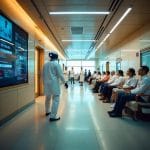
Efficiency is a key aspect of Japanese hospitals. Patients report short waiting times for appointments. Medical procedures often occur promptly. This efficiency reduces stress and enhances patient satisfaction.
Language Barriers And Solutions
Some patients face language barriers in Japanese hospitals. Many hospitals provide translation services to assist. These services help non-Japanese speakers understand medical information. Patients find this support invaluable.
Patient Privacy And Comfort
Privacy is a priority in Japanese hospitals. Patients have access to private rooms or curtains for comfort. This attention to privacy makes the stay more pleasant.
Comprehensive Follow-up Care
Follow-up care is thorough in Japanese hospitals. Patients receive detailed instructions for home care. Regular check-ups ensure continued health. This comprehensive care fosters trust and reassurance.
Key Factors In Patient Satisfaction
Patient satisfaction is crucial in evaluating hospitals worldwide. In Japan, patient satisfaction involves several key factors that contribute to a positive experience. These factors often determine whether patients feel valued and cared for during their hospital stay. Understanding these elements can provide insights into improving healthcare services.
Quality Of Care
Quality of care plays a vital role in patient satisfaction. Japanese hospitals are known for their advanced medical technology. This ensures patients receive accurate diagnoses and effective treatments. Skilled medical professionals further enhance the quality of care. Patients often appreciate the thorough attention to detail in their treatment plans.
Hospital Environment
The hospital environment significantly affects patient experiences. Cleanliness is a top priority in Japanese hospitals. Patients often notice the spotless facilities and organized spaces. A calm and quiet environment contributes to a peaceful stay. Well-maintained surroundings help in creating a sense of comfort and safety for patients.
Staff Communication
Effective staff communication is essential for patient satisfaction. Japanese hospital staff are trained to communicate clearly and respectfully. They ensure patients understand their conditions and treatment options. Good communication builds trust and confidence among patients. Patients value the time staff take to answer questions and provide reassurance.
Cultural Influences On Healthcare Perception
Japanese hospitals have a unique reputation worldwide. Cultural norms shape healthcare perceptions in Japan. Understanding these influences helps when reading hospital reviews. Japanese culture impacts patient experiences and expectations. Let’s explore key cultural elements that affect healthcare perception.
Respect For Authority
Authority plays a central role in Japanese culture. Doctors are viewed with high respect and trust. This respect influences patient interactions and feedback. Patients often follow doctor recommendations without question. Reviews might reflect this deference, showcasing trust in medical expertise.
Emphasis On Cleanliness
Cleanliness is a vital aspect of Japanese life. Hospitals maintain high standards of hygiene. This focus impacts patient satisfaction and review ratings. Visitors notice clean environments and organized spaces. Reviews often mention the spotless nature of facilities. Hygiene is a top priority in Japanese healthcare.
Patient-doctor Relationship
Patient-doctor relationships in Japan are formal yet caring. Communication may seem less direct, emphasizing politeness. Patients value doctors’ professionalism and compassion. Reviews may highlight the courteous nature of interactions. Understanding this dynamic is crucial for interpreting feedback. Trust and respect define these relationships.
Common Challenges Faced By Patients
Choosing a hospital in Japan can be daunting. Patients often face challenges. These challenges affect their experience. Understanding these issues is crucial. It can help in making informed decisions. Let’s explore some common challenges.
Language Barriers
Language is a major hurdle for many patients. Japanese hospitals often use complex medical terms. Non-native speakers struggle with understanding. This can lead to confusion and stress. Communication gaps can affect treatment outcomes. Patients need to ensure clarity in discussions. Using translation services can be helpful.
Waiting Times
Long waiting times are a frequent complaint. Hospitals can be crowded and busy. Patients might wait hours for consultations. This can be frustrating and stressful. Timely care is crucial for better health. Scheduling appointments in advance can reduce waiting.
Access To Specialists
Accessing specialists can be challenging. Specialists may have limited availability. Patients might need to travel far for care. This is especially true for rare conditions. Finding the right specialist takes time and effort. Patients should research and plan ahead.
Innovative Practices In Japanese Hospitals
Japanese hospitals are at the forefront of medical innovation. Their practices often set global standards. Many hospitals in Japan integrate advanced technology with traditional wisdom. They focus on providing holistic care to every patient. This commitment leads to exceptional patient experiences and outcomes.
Use Of Technology
Japanese hospitals embrace cutting-edge technology. They use robots for surgeries and patient care. Robots reduce the chance of human error in complex procedures. Many hospitals also employ AI for diagnosis. AI helps in identifying diseases early. This leads to quicker and more effective treatments.
Telemedicine is common in Japan. Patients consult doctors from home. This saves time and ensures timely care. Hospitals use electronic health records extensively. This keeps patient information secure and accessible. Technology enhances the precision and efficiency of healthcare services.
Patient-centric Design
Japanese hospitals prioritize patient comfort and convenience. Many facilities feature calming environments. Natural light and greenery are common in hospital design. They help reduce stress for patients. Hospital rooms often have private spaces. This ensures privacy and personal comfort.
Wayfinding systems are clear and easy to follow. Patients find their way without confusion. Hospitals also offer multilingual support. This caters to international patients and visitors. A patient-centric design improves the overall care experience.
Holistic Treatment Approaches
Holistic care is a cornerstone of Japanese healthcare. Hospitals treat the body, mind, and spirit. They offer a wide range of therapies. These include acupuncture, aromatherapy, and meditation. Such therapies complement medical treatments.
Nutritional guidance is also provided. Diet plays a vital role in recovery. Many hospitals have in-house dieticians. They create personalized meal plans for patients. Emotional and mental health support is readily available. Holistic approaches ensure comprehensive care for patients.
Comparing Urban And Rural Hospital Experiences
Exploring hospital experiences in Japan reveals stark contrasts between urban and rural settings. Each offers unique challenges and benefits impacting patient satisfaction. Understanding these differences helps in choosing the right healthcare facility.
Differences In Resources
Urban hospitals often boast advanced medical technology. They tend to have more specialized departments. Rural hospitals may lack such facilities. This can limit treatment options for complex health issues. Staff in urban areas usually have access to ongoing training programs. Rural hospitals might face staffing shortages, affecting patient care quality.
Patient Demographics
Urban hospitals serve diverse populations. They cater to international patients and locals alike. Rural hospitals mainly serve local communities. This can affect cultural competence in patient care. Language barriers are often less challenging in urban areas. Rural hospitals might struggle with providing multilingual support.
Accessibility Issues
Urban hospitals are typically well-connected by public transport. They are easily accessible for most patients. Rural hospitals may be harder to reach. Long travel times can deter regular visits. Accessibility can impact emergency care availability. Patients may face delays in receiving urgent medical attention.
Future Trends In Japanese Healthcare
Japan’s healthcare system faces significant changes in the coming years. These changes are driven by demographic shifts and technological innovations. Hospitals are adapting to meet new patient needs. Understanding these future trends is crucial for both locals and visitors.
Aging Population Impact
Japan has one of the oldest populations worldwide. This demographic shift impacts healthcare services significantly. Hospitals need more staff trained in elderly care. Geriatric specialties are becoming more common. Facilities must be equipped to handle age-related conditions. The demand for long-term care and support services rises each year.
Technological Advancements
Technology plays a vital role in Japan’s healthcare evolution. Robotics and AI improve patient care efficiency. Hospitals utilize advanced diagnostic tools for quicker results. Telemedicine services expand access, especially in rural areas. Wearable technology helps monitor health outside hospital settings. Innovations aim to reduce costs and improve outcomes.
Evolving Patient Expectations
Patients expect more personalized healthcare experiences. They seek transparency in treatment options and costs. Hospitals prioritize patient-centered care models. Feedback systems ensure service improvements. Language support services cater to international patients. A focus on holistic health approaches is increasingly popular.
Frequently Asked Questions
What Do Japanese Hospital Reviews Typically Cover?
Japanese hospital reviews often cover patient experiences, staff professionalism, and treatment quality. They may also discuss hospital facilities, cleanliness, and overall patient satisfaction. Reviews can provide insights into specific departments or services. These reviews are valuable for anyone seeking medical care in Japan.
How Reliable Are Japanese Hospital Reviews?
Japanese hospital reviews are generally reliable but should be read with caution. Multiple sources provide a well-rounded perspective. Look for consistent feedback on key aspects such as staff behavior, cleanliness, and treatment outcomes. Always consider personal needs and priorities when evaluating reviews.
Where Can I Find Japanese Hospital Reviews?
You can find Japanese hospital reviews on websites like Google, Yelp, and hospital-specific platforms. Social media groups and forums also provide valuable insights. Some hospitals in Japan might have their own review sections on their official websites. Check multiple sources for a balanced view.
Do Japanese Hospitals Have English-speaking Staff?
Many Japanese hospitals offer English-speaking staff, especially in urban areas. Some hospitals have dedicated international departments. It’s advisable to confirm language support before your visit. Checking reviews can also highlight hospitals known for excellent communication with international patients.
Conclusion
Exploring Japanese hospital reviews can guide informed health choices. Reviews reveal insights about care quality and patient experiences. They help set realistic expectations before visiting a hospital. Friendly staff and clean facilities often stand out in reviews. It’s vital to research thoroughly for the best healthcare experience.
Taking time to read reviews might save stress later. Healthcare decisions matter. Choose wisely and prioritize your health needs. Always consult multiple sources for balanced information. Your health deserves the best care possible. Stay informed and make the right choice.