Are you seeking top-notch medical treatment beyond the borders of your home country? You’re not alone.
Every year, millions of international patients like you travel across the globe, searching for advanced healthcare solutions, cutting-edge technology, and expert medical professionals. Imagine accessing world-renowned hospitals, personalized treatment plans, and revolutionary procedures that can change your life. This isn’t just a possibility; it’s a reality waiting for you to explore.
You’ll discover how international medical treatment can offer you exceptional care, often at a fraction of the cost. Get ready to unlock the secrets of global healthcare, where your health becomes the priority and excellence knows no boundaries. Dive in, and empower yourself with the knowledge that could make a world of difference.
Choosing The Right Destination
Selecting a destination for medical treatment involves considering factors like healthcare quality and cost. Research hospitals that specialize in your condition. Look for patient reviews and international accreditation to ensure reliable care.
Choosing the right destination for medical treatment abroad is a critical decision. It’s not just about selecting a country with advanced healthcare systems, but also considering numerous personal and practical factors. Many travelers have discovered that the journey itself is as transformative as the treatment, offering unexpected insights and life-changing experiences.
Factors To Consider
When selecting a medical tourism destination, start by looking at the quality of healthcare. Research hospitals and clinics for their accreditation and the qualifications of their doctors. Ask yourself if the healthcare providers have a good track record in the specific treatment you need. Language and communication are crucial. Imagine trying to explain your symptoms or understanding post-op care without a common language. Check if the medical staff speaks your language or if interpreter services are available. Cost is another major factor. Compare treatment prices, but also consider travel and accommodation expenses. A friend of mine opted for heart surgery in India, where the procedure was affordable, allowing him to save significantly even after travel costs. Safety and political stability shouldn’t be ignored. You want to feel secure in your destination. Research local laws and customs to avoid any unpleasant surprises.
Popular Medical Tourism Destinations
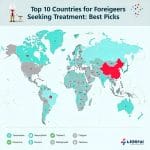
Thailand is a top choice for many due to its high-quality healthcare and affordable prices. Bangkok’s hospitals are renowned for their state-of-the-art facilities and experienced medical staff. Would you consider combining your treatment with a relaxing beach holiday? India is well-known for its advanced medical procedures at competitive prices. The country has a robust healthcare system with many English-speaking doctors. Patients often find the blend of world-class healthcare and rich cultural experiences highly rewarding. Mexico attracts many from the United States seeking affordable care just across the border. With its proximity, you can enjoy a short travel time, making it convenient for follow-up visits. Turkey has become a hub for cosmetic surgery, offering quality care and a chance to explore Istanbul’s historic charm. Are you ready to blend healthcare with a cultural journey? By considering these factors and exploring popular destinations, you can make an informed decision about where to receive your medical treatment. Your health journey should be as seamless and stress-free as possible. Where will your next healthcare adventure take you?
Understanding The Costs
Understanding the costs of medical treatment abroad is crucial for patients. Different countries have varying expenses for healthcare services. Knowing these expenses helps in planning and budgeting effectively. International patients should be aware of the financial aspects involved in their medical journey.
Breakdown Of Expenses
Medical treatment costs include several components. Hospital fees cover room, equipment, and staff services. Doctor’s fees vary based on expertise and procedure complexity. Medication and tests add to the expenses. Travel and accommodation are additional costs to consider. Understanding each component helps in estimating the total cost.
Insurance And Coverage Options
Insurance can significantly reduce medical expenses. Check if your policy covers international treatment. Some insurers offer global coverage plans. Verify what treatments and services are included. Coverage may vary for different procedures and treatments. Review the policy terms to understand potential out-of-pocket costs. Consider purchasing additional coverage if necessary.
Types Of Treatments Available
International patients have access to a wide range of medical treatments. Whether seeking elective procedures, critical care, or alternative medicine, options are diverse. Understanding these choices helps patients make informed decisions.
Elective Procedures
Elective procedures include surgeries and treatments that are planned in advance. These treatments are not urgent but enhance quality of life. Common examples are cosmetic surgery, joint replacements, and vision correction. Such procedures offer patients the chance to improve their health or appearance.
Critical Care Services
Critical care services are vital for patients with severe conditions. These services provide intensive monitoring and treatment. Hospitals equipped with advanced technology ensure the best care. Patients receive close attention from specialized medical teams. This care can save lives and manage complex health issues effectively.
Alternative Medicine Options
Alternative medicine offers natural and holistic approaches. Treatments such as acupuncture, herbal remedies, and yoga fall under this category. Patients seek these options for stress relief, pain management, and wellness. These methods focus on the whole body and mind. Many find them beneficial alongside conventional treatments.
Finding Accredited Facilities
Finding the right medical facility abroad can be a daunting task. It’s crucial to choose a facility that is accredited. Accreditation ensures the quality and safety of medical care. Many international patients prioritize accredited hospitals for peace of mind. These facilities meet high standards set by global health organizations.
Importance Of Accreditation
Accreditation is a mark of excellence. It indicates that a facility follows international standards. It also assures patients of receiving quality care. Accredited facilities have regular inspections. This ensures they maintain their high standards. Patients can trust these institutions for reliable treatments.
How To Verify Credentials
Checking a facility’s credentials is essential. First, visit their official website. Look for accreditation details on their homepage. You can also contact the facility directly. Ask for their accreditation certificates. Consider checking with international health organizations. They often list accredited hospitals on their websites. This adds an extra layer of assurance.
Choosing Qualified Medical Professionals
Selecting skilled medical professionals ensures safe and effective treatment for international patients. Expertise and experience are crucial in delivering quality care. Patients benefit from thorough consultations and personalized treatment plans.
Choosing qualified medical professionals is crucial for international patients. It ensures safety and effective treatment. Selecting the right doctor involves several key factors. These include their qualifications and area of expertise. Patients must be well-informed to make the best choice. This section guides international patients in evaluating medical professionals.
Checking Qualifications
Patients should verify doctors’ qualifications before choosing them. Credentials are indicators of competence and trustworthiness. Look for certifications from recognized medical boards. These boards uphold high standards. Doctors should have degrees from accredited institutions. This ensures they received proper training. Consider their experience in the field. Experience often translates to better patient outcomes. Patients can check online directories for this information. Always verify the authenticity of the credentials.
Understanding Specializations
Specializations offer insights into doctors’ expertise areas. Some doctors focus on specific medical fields. These areas include cardiology, orthopedics, and neurology. Specialists often provide more accurate diagnoses. They also offer advanced treatment options. Patients should identify specialists relevant to their condition. This ensures they receive the best care possible. Understanding a doctor’s specialization helps in setting realistic expectations. Patients should discuss their health needs with specialists. This aids in understanding the potential treatment paths.
Preparing For Medical Travel
Preparing for medical travel requires careful planning. This ensures a smooth experience. It involves understanding what is needed before your journey. Knowing the essentials can ease stress and uncertainty. Two key aspects are necessary documentation and pre-travel health assessments. These help ensure a successful medical trip.
Necessary Documentation
Gather all important documents before traveling. A valid passport is crucial. Check its expiration date. Apply for a visa if required. Obtain an official invitation from the medical facility. This confirms your treatment plan. Health insurance documents are vital. They should cover international medical procedures. Carry copies of your medical records. Include recent test results and doctor’s notes. These inform the foreign healthcare providers about your condition.
Pre-travel Health Assessments
Schedule a health assessment before departure. Visit your primary doctor. Discuss your upcoming travel and medical procedures. Ensure you are fit for travel. Vaccinations may be necessary. Check recommended vaccines for your destination. Your doctor can advise you. Address any current health issues. Discuss potential travel risks. It helps in planning preventive measures. This ensures a healthier journey.
Navigating Language And Cultural Barriers
International patients face challenges with language and cultural differences in medical treatment. Effective communication ensures better understanding of diagnoses and procedures. Bridging cultural gaps improves patient comfort and compliance with treatments.
Navigating medical treatment in a foreign country can be daunting, especially when language and cultural barriers stand in your way. Imagine arriving at a hospital, clutching your paperwork, only to realize you can’t understand the doctor. Wouldn’t you feel a little lost? These barriers can complicate the communication between you and your healthcare providers, potentially affecting the quality of care you receive. But don’t worry, there are ways to bridge this gap and ensure a smoother experience.
Translation Services
One practical solution is using translation services. Many hospitals catering to international patients offer professional interpreters. These interpreters can help you discuss your symptoms and understand the medical advice given. Additionally, translation apps have become quite advanced. They offer instant translations and can be a quick fix for simpler interactions. However, for more complex discussions, human translators are often more reliable. Some healthcare facilities also provide translated documents and forms. This ensures you fully understand your treatment options and any potential risks involved. Having access to such resources can significantly ease your stress.
Cultural Sensitivity Tips
Understanding cultural differences can also enhance your medical experience. Did you know that some cultures value direct eye contact while others may find it disrespectful? Being aware of such nuances can improve your interaction with healthcare staff. Respect local customs and practices. If you’re unsure about certain behaviors, don’t hesitate to ask questions. Most medical professionals appreciate your effort to engage with their culture. Also, consider attending cultural training sessions if the hospital offers them. These sessions can provide valuable insights into local customs, helping you feel more at ease. Wouldn’t it be great to walk into a clinic feeling confident about your cultural knowledge? Navigating language and cultural barriers may seem challenging, but with the right tools and mindset, you can turn potential obstacles into opportunities for richer experiences. How will you prepare for your next medical journey abroad?
Post-treatment Care And Follow-up
International patients benefit from clear post-treatment care and follow-up. Regular check-ins ensure recovery progresses smoothly. Doctors provide guidance on managing symptoms and medications. This support builds confidence in healing and health maintenance.
When seeking medical treatment abroad, the journey doesn’t end once you leave the hospital. Post-treatment care and follow-up are crucial elements of your healthcare plan. They ensure that the medical procedures you’ve undergone continue to benefit you, and they help in addressing any potential complications or concerns. Whether you’re recovering from surgery, undergoing rehabilitation, or simply needing a routine check-up, having a clear understanding of your post-treatment needs can make a significant difference in your overall health outcomes.
Recovery Considerations
After your treatment, understanding how to manage your recovery is essential. Different treatments require different approaches to healing. For instance, a knee surgery may need physical therapy, while a medical procedure like chemotherapy might require regular blood tests. Your healthcare provider should give you a detailed recovery plan. Ensure you have easy access to this information, possibly in a digital format. Ask questions if you’re unsure about any part of the recovery process. Think about your home environment and whether it supports your recovery needs. Do you have the right equipment or assistance? Small adjustments can have a big impact on your comfort and healing.
Remote Consultation Options
Distance doesn’t have to be a barrier to quality post-treatment care. Many healthcare providers offer remote consultations. This can be a convenient way to follow up with your doctor without the need for travel. With video calls or telehealth platforms, you can discuss your recovery progress, ask questions, and get advice. These consultations can be scheduled at a time that suits you, making them a flexible option for international patients. Consider the technology requirements for remote consultations. Ensure you have a reliable internet connection and a device capable of video calls. This setup can help you stay connected with your healthcare team, providing peace of mind as you recover. Are you aware of all the resources available to you as an international patient? Knowing your options can empower you to make informed decisions about your health journey.
Legal And Ethical Considerations
Navigating legal and ethical considerations is crucial for medical treatment of international patients. Ensuring compliance with international laws protects patient rights and maintains trust. Cultural sensitivity and clear communication play vital roles in delivering effective care.
Navigating the world of medical treatment as an international patient involves more than just finding the best hospital or doctor. Legal and ethical considerations are crucial aspects that you need to understand before embarking on your medical journey. These considerations ensure your safety, protect your rights, and help you make informed decisions.
Patient Rights Abroad
When seeking medical treatment in a foreign country, it’s essential to be aware of your rights as a patient. Different countries have varying laws regarding patient confidentiality, informed consent, and access to medical records. Imagine being in a place where your medical history isn’t kept private. It’s vital to know how your personal information will be handled. Always ask about the hospital’s policies on privacy and data protection. Being informed empowers you to make better choices. Knowing your rights can prevent unpleasant surprises during your treatment. Are you aware of how your rights differ abroad compared to your home country?
Understanding Local Regulations
Understanding the local regulations of the country where you seek treatment is equally important. Each country has its own healthcare system, and knowing the local medical laws can help you avoid legal pitfalls. For instance, certain medical procedures might be legally restricted or have specific requirements. Researching these aspects can save you time and unnecessary stress. Talk to your healthcare provider about any local regulations that might affect your treatment. Have you considered how these regulations could influence your treatment plan? Legal and ethical considerations are not just bureaucratic hurdles. They are there to ensure your safety and peace of mind. Taking the time to understand them can make your medical journey smoother and more successful.
Conclusion
Exploring medical treatment abroad is a viable option. International patients find diverse healthcare solutions worldwide. Quality care and advanced technology attract many. Language and cultural differences can pose challenges. Planning and research are crucial for a smooth experience. Consult with healthcare providers for informed choices.
Check credentials and reviews before deciding. Consider costs and insurance coverage in advance. A well-prepared journey can lead to successful outcomes. Your health deserves the best care possible. Making informed decisions ensures peace of mind. Seek support from professionals and trusted sources.
Embrace the journey towards better health globally.